
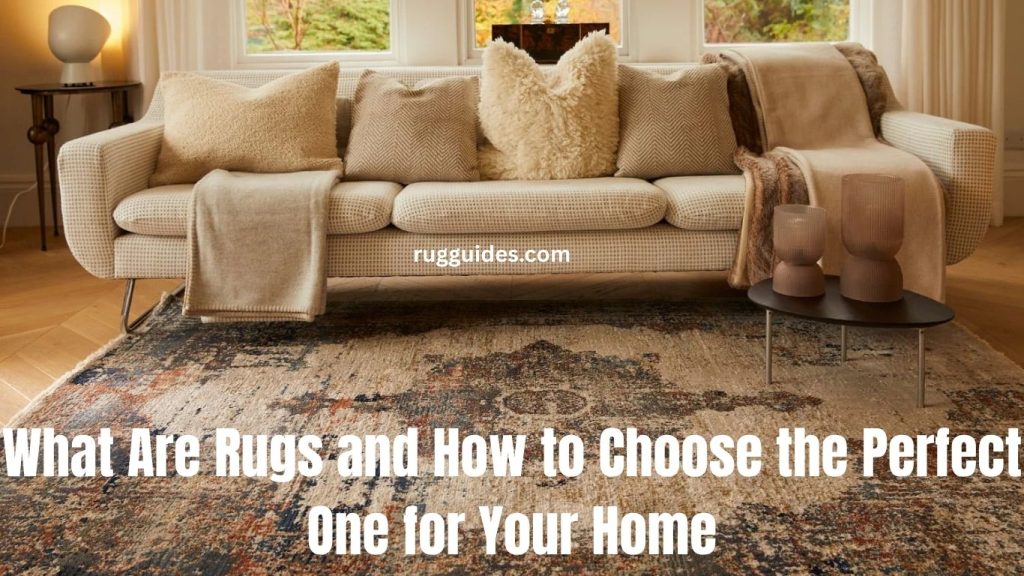
Rugs are versatile floor coverings that define living spaces, provide comfort, and add artistic flair to any room. Choosing the right rug involves balancing durability, style, and size to ensure your home feels both cozy and functional.
Have you ever walked into a room that felt a bit “empty” or unfinished, even though it was fully furnished? Often, the missing ingredient isn’t a new chair or a piece of wall art; it is the humble rug. Rugs are more than just floor coverings. They are the soul of a room, providing warmth, texture, and a clear sense of design identity.
But what are rugs really, and why do they impact our homes so deeply? At their simplest, rugs are pieces of fabric used to cover parts of a floor. Unlike wall-to-wall carpeting, they are movable, versatile, and come in endless varieties of patterns and textures. Finding the right one can feel like a big task, but once you know the basics, it becomes an exciting part of decorating your home.
Key Takeaways
- Define Your Space: Rugs act as anchors that pull furniture together, creating a sense of order in open-plan rooms.
- Size Matters: A rug that is too small can make a room feel disjointed; always measure your space before you buy.
- Material Selection: Choose materials like wool for high-traffic areas or soft cotton for bedrooms based on your household’s lifestyle.
- Prioritize Durability: Consider rugs with tighter weaves or synthetic blends if you have pets or children to ensure they stand the test of time.
- Texture and Layers: Don’t be afraid to layer rugs to add depth, warmth, and visual interest to your flooring.
- Maintenance Counts: Regular vacuuming and immediate stain treatment will keep your rugs looking beautiful for years.
📑 Table of Contents
Understanding the Basics: What Are Rugs?
Rugs are defined as heavy fabrics used to cover a specific area of the floor. Historically, they were hand-woven works of art meant to provide insulation and comfort in stone or dirt-floored homes. Today, what are rugs in the modern sense? They are functional decor pieces that protect hardwood floors, muffle noise, and define conversation areas.
The Anatomy of a Rug
To pick the perfect piece, you need to understand how they are built. Rugs usually consist of a foundation (the warp and weft) and the pile (the top surface). The pile can be cut, looped, or flat-woven. A flat-weave rug, for instance, has no pile and is great for high-traffic entryways, while a plush wool rug offers luxury and warmth for a bedroom.
Why Every Home Needs Them
Beyond looks, rugs offer practical benefits. They act as a soft cushion for your feet, reducing strain when you stand for long periods. They also trap dust and allergens, which can be cleaned away, rather than letting those particles circulate in the air. Most importantly, rugs anchor your furniture. Without a rug, a sofa and two chairs often look like they are floating in space; with one, they become a cozy “room within a room.”
Determining the Right Size for Your Space
The most common mistake people make is buying a rug that is too small. A tiny rug in the middle of a large room makes the space feel cramped and disconnected. When considering what are rugs, think about “zoning” your house.
The Living Room Strategy
In the living room, try to have at least the front legs of all your furniture resting on the rug. This creates a cohesive look. If you have a larger space, try to fit the entire furniture arrangement on the rug for a luxurious, custom feel. A general rule is to leave about 12 to 18 inches of floor showing around the perimeter of the rug.
Dining Room and Bedroom Tips
For dining rooms, the rug should be large enough that when you pull the chairs out to sit, all four legs remain on the rug. In the bedroom, you can place a large rug underneath the bed frame. Alternatively, use runners on either side of the bed for a soft landing first thing in the morning.
Selecting the Perfect Material
Choosing the right material is vital because it determines how your rug feels and how long it lasts. Because rugs are investments, picking the right fiber is key.
Natural Fibers
Wool is the gold standard. It is durable, naturally stain-resistant, and incredibly soft. It is perfect for living rooms where you want comfort. Cotton is another great, affordable option, especially for casual spaces like kitchens or nurseries. Sisal and jute are natural grasses that provide a rustic, earthy look, though they can be a bit rough on bare feet.
Synthetic Options
If you have pets, kids, or a high-traffic hallway, look into synthetic rugs. Polypropylene is a miracle fiber—it is stain-resistant, fade-resistant, and often washable. Modern synthetic rugs look so much like natural fibers that it is hard to tell the difference, and they are much easier on your budget.
Style, Color, and Pattern
Once you know the size and material, the fun part starts: style! Your rug should complement your existing decor, not fight with it. When asking what are rugs for your personal style, think about the “vibe” of your home.
Neutral vs. Statement Pieces
If your room already has bold patterns on the pillows or curtains, a neutral rug with a subtle texture is a safe, sophisticated choice. However, if your room is mostly neutral—think white walls and gray sofas—a bold, colorful rug can become the focal point of the entire home. Use the rug to pull colors from your art or wall paint to tie the whole color palette together.
Considering the Traffic
Always think about the “where” of your purchase. A light-colored, high-pile shag rug is gorgeous, but maybe not for the front door where everyone enters with shoes on. Save the high-maintenance, delicate rugs for rooms with less activity, and keep the durable, dark-patterned rugs in high-traffic zones.
Proper Maintenance for Longevity
Now that you know what are rugs and have picked your favorite, you want it to stay in great shape. Regular maintenance is simple if you stick to a routine.
Vacuuming and Rotating
Vacuum your rugs at least once a week to keep dirt from settling into the fibers. Make sure to turn off the beater bar on your vacuum if you have a delicate or flat-weave rug to prevent fraying. Every six months, rotate your rug 180 degrees. This ensures that the rug wears evenly, preventing one area from fading or wearing out faster than the others due to foot traffic or sunlight.
Handling Spills
Accidents happen! If you spill something, blot—don’t rub—the liquid. Rubbing pushes the stain deeper into the fibers. Use a clean white cloth and a gentle cleaning solution meant for your specific rug type. Always test a small corner first to ensure the cleaner doesn’t bleach the colors.
Conclusion: Bringing It All Together
Rugs are truly the foundation of interior design. They ground our furniture, bring warmth to our toes, and allow us to express our unique style. When you stop to think about what are rugs, you see them not as mere accessories, but as essential tools that turn a house into a home.
Don’t be afraid to take your time while shopping. Measure twice, consider your lifestyle, and choose a piece that makes you smile when you walk into the room. Whether you prefer the timeless look of a traditional wool weave or the modern convenience of a durable synthetic blend, the right rug is out there waiting for you. Happy decorating!
Frequently Asked Questions
Do I really need a rug pad?
Yes, a rug pad is essential because it prevents the rug from sliding and provides extra cushioning. It also protects your floor from scratches and keeps the rug from bunching up.
Can I put a rug over carpeting?
Absolutely, layering a rug over wall-to-wall carpet can add personality and define a specific space. Just ensure the rug is low-pile so it doesn’t create a tripping hazard.
How often should I clean my rug professionally?
For most homes, professional cleaning every 12 to 18 months is sufficient. If you have pets or a lot of foot traffic, you might want to consider cleaning it once a year.
Are expensive rugs always better?
Not necessarily, but price often reflects the material quality and the amount of labor involved. Synthetic rugs can be excellent for busy families, while hand-knotted wool rugs are heirloom pieces worth the investment.
What is the best way to choose a rug color?
Look at the existing colors in your furniture, pillows, and wall art. Pick a rug that contains at least one of those colors to create a sense of harmony in the room.
Can I use outdoor rugs inside?
Yes, outdoor rugs are fantastic for indoor use, especially in kitchens, dining rooms, or mudrooms. They are incredibly durable, stain-resistant, and can usually be hosed off for easy cleaning.
Pingback: Are NuLOOM Rugs Good Quality Honest Review and Buying Guide – Rug Guides
Pingback: Are Outdoor Rugs Good for Your Patio and Backyard Space – Rug Guides
Pingback: Are Outdoor Rugs Good for Decks A Complete Buyer Guide – Rug Guides
Pingback: Are West Elm Rugs Good Quality Honest Review and Buying Guide – Rug Guides
Pingback: What Are Drug Rugs Actually Called The Real Name Revealed – Rug Guides
Pingback: What Are Jelly Roll Rugs and How to Make Your Own Stylish Decor – Rug Guides
Pingback: What Are Pet Friendly Rugs and Why Your Home Needs Them – Rug Guides
Pingback: What Are the Best Rugs for Bathroom Spaces and Style Tips – Rug Guides
Pingback: What Is Rugs Com Return Policy Everything You Need To Know – Rug Guides