
Finding the perfect rug material for allergy sufferers is a game-changer for maintaining a healthy home environment. If you deal with persistent sneezing or itchy eyes, you know that traditional rugs can often trap dust, pet dander, and pollen in their thick, heavy fibers. Choosing the right synthetic or hypoallergenic material helps minimize these irritants, making it easier to breathe and relax in your own space. When you learn what is the best rug material for your specific needs, you can transform your living room into a true sanctuary.
Quick Product Comparison
Our Top 5 Rug Material For Allergy Sufferers Reviews – Expert Tested & Recommended
1. EasyJoy Ultra Soft Faux Fur Shaggy Area Rug
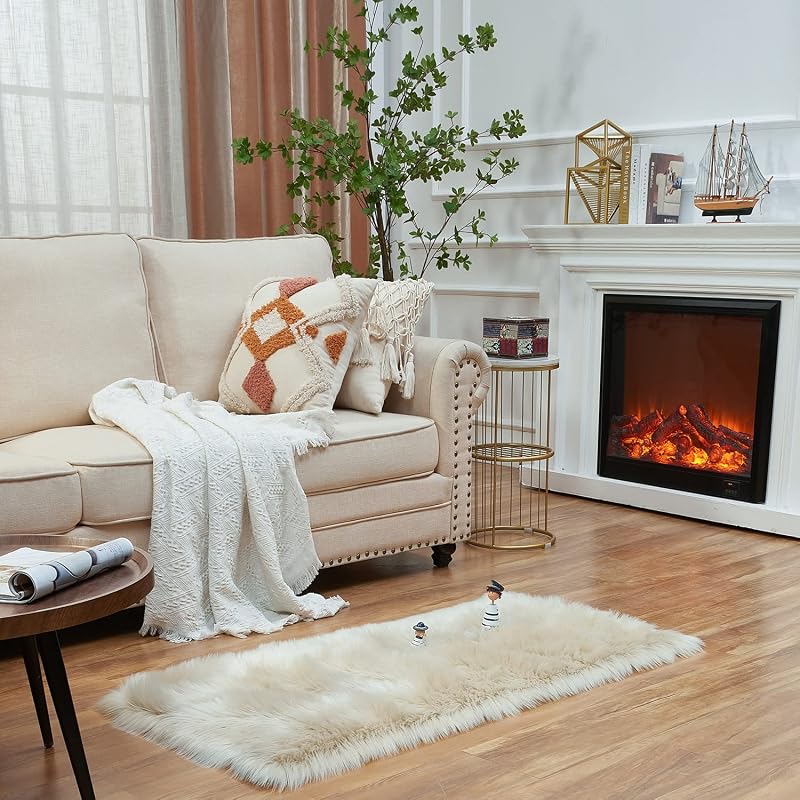
The EasyJoy Faux Fur Rug is a fantastic option for those who want luxury without the sneezing fits. It uses hypoallergenic synthetic fibers that don’t harbor common allergens like natural wool does.
Key Features That Stand Out
- ✓ Hypoallergenic artificial wool construction
- ✓ Ultra-soft texture for maximum comfort
- ✓ Non-slip suede leather backing
Why We Recommend It
This rug feels incredibly plush underfoot, yet the synthetic material is much easier to maintain than natural animal products. It is a perfect way to how to choose a rug for bedroom settings where health and comfort are priorities.
Best For
Sensitive individuals who crave a soft, cozy aesthetic in their bedroom or reading nook.
Pros and Cons
Pros:
- Incredibly soft touch
- Safe for those with pet allergies
- Stays firmly in place on wood floors
Cons:
- Requires regular vacuuming to keep fluffy
- Not suitable for high-traffic areas
Customer Reviews
“Customer Review: I have severe dust allergies, and this rug hasn’t triggered them once! It’s so soft and looks great in my room.”
“Customer Review: Super cozy and easy to clean. It’s the perfect size and very light for my small apartment.”
2. Non-Slip Plum Blossom Tufting Cloth
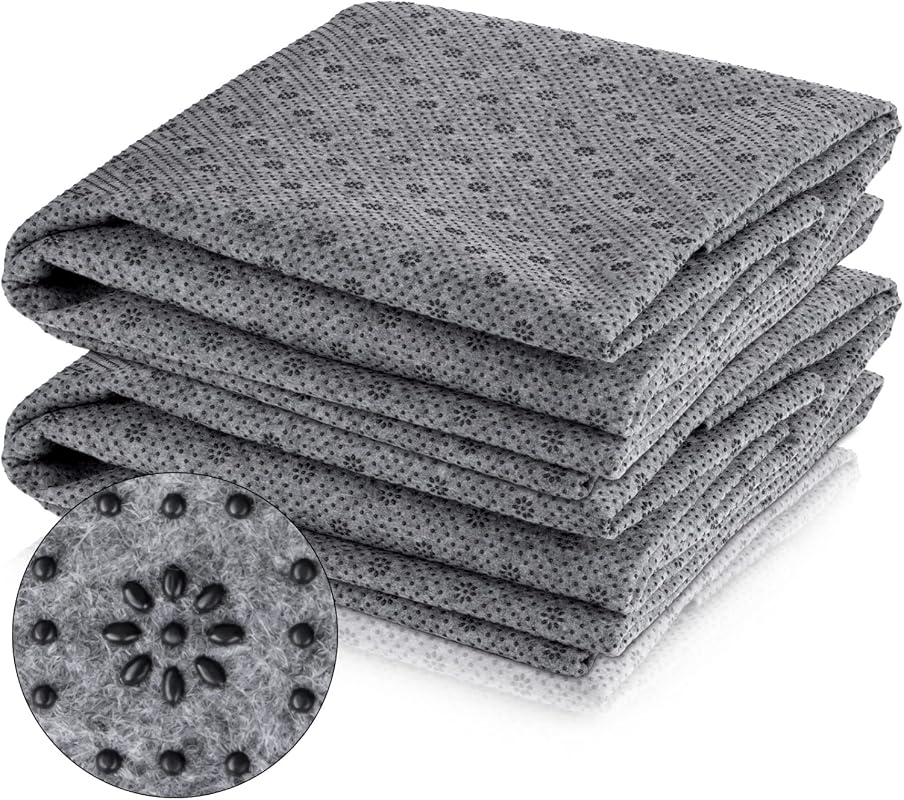
If you are a DIY enthusiast, this tufting cloth is an essential component. By creating your own rugs, you can control the materials used, ensuring everything stays allergen-free.
Key Features That Stand Out
- ✓ High-quality polyester felt
- ✓ Unique plum blossom non-slip pattern
- ✓ Extra thick design for durability
Why We Recommend It
Managing allergies is much easier when you use custom, cleanable fabrics. This backing is a great base for any project where you want to ensure the final product doesn’t collect trapped dust.
Best For
DIYers looking to craft custom rugs with specific, low-allergen yarns.
Pros and Cons
Pros:
- Very durable thickness
- Excellent grip for safety
- Easy to cut to specific sizes
Cons:
- Requires manual assembly
- Not a pre-finished rug
Customer Reviews
“Customer Review: This material is heavy-duty and worked perfectly for my rug project. The grip is top-notch.”
“Customer Review: Really thick and well-made. It’s the best backing I’ve found for my handmade projects.”
3. 8×10 Washable Brown Area Rug
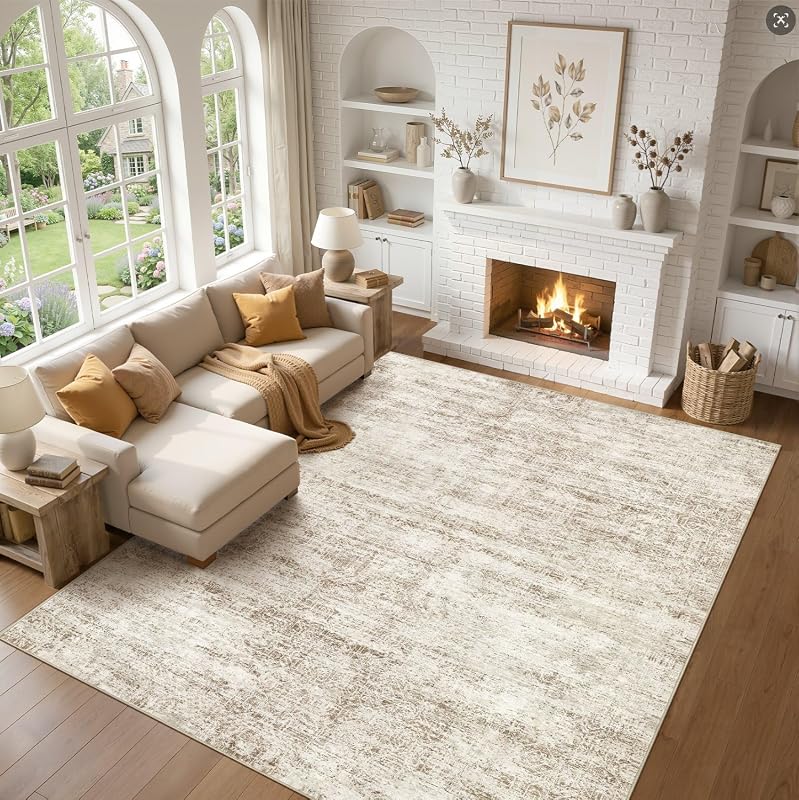
Washing your rug regularly is the most effective way to eliminate allergens, and this machine-washable rug makes that process simple.
Key Features That Stand Out
- ✓ Fully machine washable
- ✓ OEKO-TEX certified skin-friendly materials
- ✓ Stain-resistant low-pile surface
Why We Recommend It
When you learn how to choose an area rug for living room areas, prioritizing washability is a huge win for allergy sufferers. This rug is low-pile, meaning less space for dust to settle.
Best For
Busy families with children or pets who need frequent deep cleaning.
Pros and Cons
Pros:
- Easy to wash in a home machine
- Low-pile design traps less dust
- Certified safe materials
Cons:
- Thin feel compared to thick shags
- Requires a flat surface for best results
Customer Reviews
“Customer Review: Finally, a rug I can wash! It’s saved me so much trouble with my dust mite allergies.”
“Customer Review: Stylish and durable. It holds up perfectly to regular washing cycles.”
4. RESILIA Deep-Pile Clear Vinyl Carpet Runner
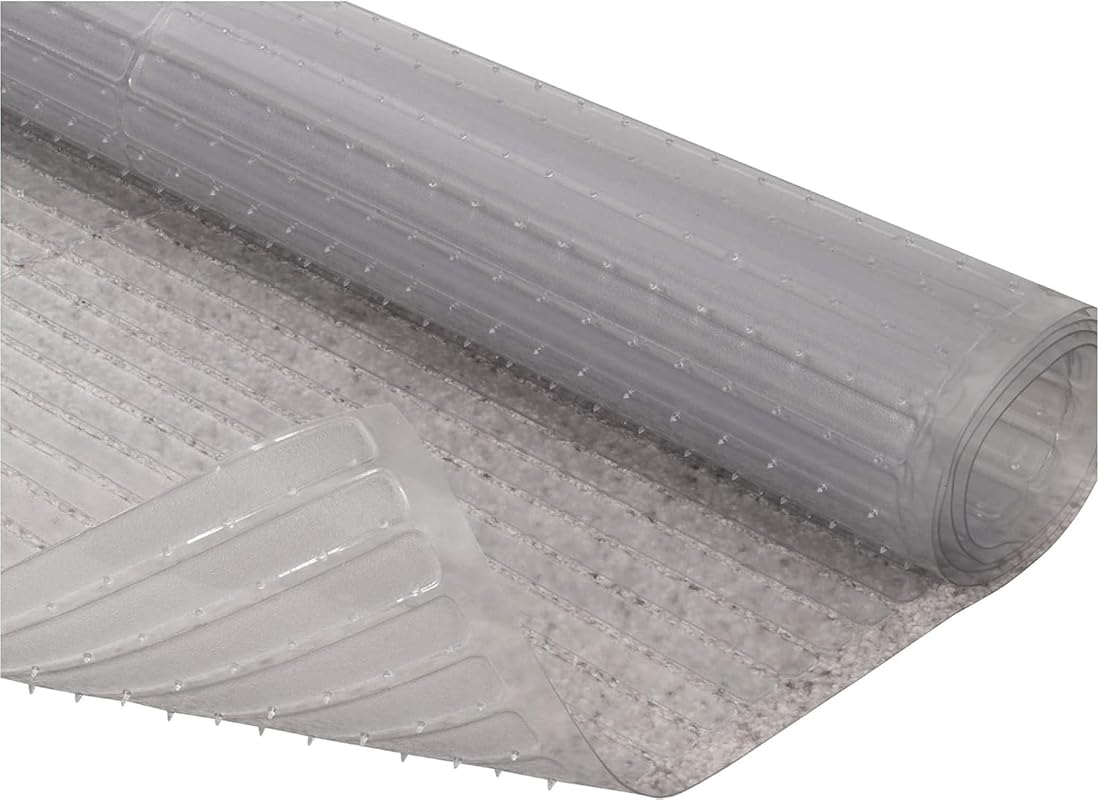
Sometimes the best way to fight allergens is to protect your existing carpet. This runner stops dirt and dust from sinking deep into your fibers.
Key Features That Stand Out
- ✓ Waterproof PVC construction
- ✓ Shields deep-pile carpets
- ✓ Phthalate-free and eco-friendly
Why We Recommend It
It acts as a barrier, preventing allergens from accumulating where you can’t see them. It is an excellent solution for high-traffic zones.
Best For
High-traffic hallways where dirt and pollen accumulate rapidly.
Pros and Cons
Pros:
- Extremely easy to clean
- Protects the underlying carpet
- Very durable for heavy traffic
Cons:
- Not aesthetically plush
- Can be slippery if not placed correctly
Customer Reviews
“Customer Review: This is perfect for my hallway. It stops so much dust from getting trapped in the carpet underneath.”
“Customer Review: Very thick and high quality. It protects my high-pile rug perfectly.”
5. Heavy-Duty Non-Slip Rug Backing Cloth
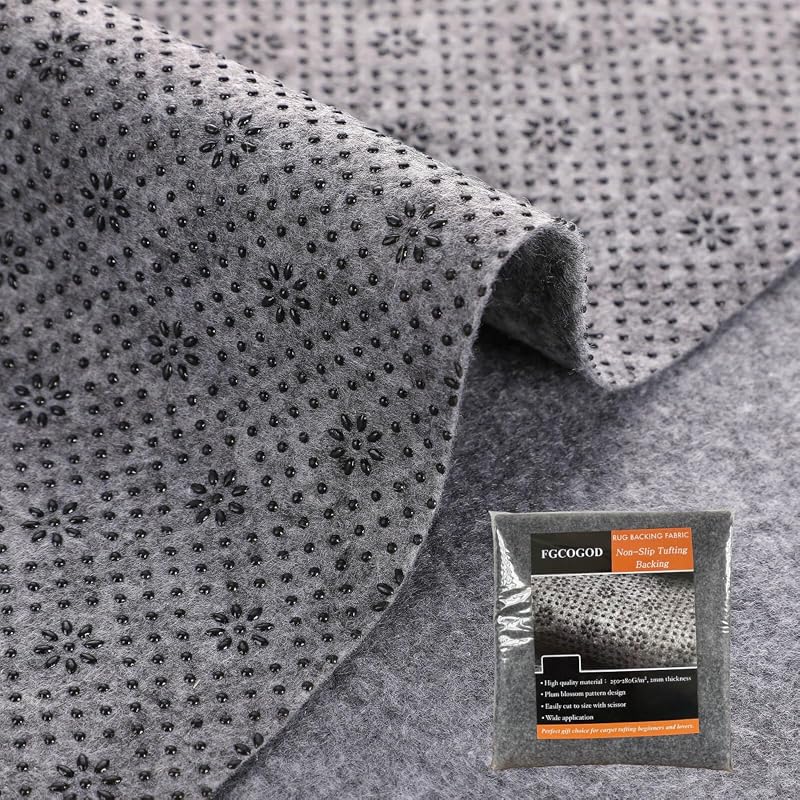
Another excellent backing option, this cloth provides a cleanable and sturdy foundation for large area rugs.
Key Features That Stand Out
- ✓ Heavy-duty felt material
- ✓ Strong grip to keep rugs in place
- ✓ Large dimensions for versatile coverage
Why We Recommend It
A rug that slips is a rug that collects more dust and debris underneath. This backing keeps your rugs stationary, which keeps your air quality better.
Best For
Large room rugs that need a stabilizing, non-slip base.
Pros and Cons
Pros:
- Large size covers big rugs
- Very sturdy grip
- Reduces trapped particles
Cons:
- Can be bulky to install
- Not as plush as a dedicated pad
Customer Reviews
“Customer Review: This is the best backing I’ve used. My rug doesn’t move a single inch.”
“Customer Review: High quality and very effective. It keeps my area rug clean and stable.”
Complete Buying Guide for Rug Material For Allergy Sufferers
Essential Factors We Consider
When selecting a rug, look for synthetic fibers like nylon or polyester, which are generally non-porous and easier to clean. Avoid long, thick piles where allergens thrive. Always verify the material certifications to ensure no harsh chemicals were used during production.
Budget Planning
You do not need to spend a fortune to keep your home healthy. Simple, low-pile, washable synthetic rugs are often much more affordable than high-end natural fibers and actually perform better for allergy sufferers.
Final Thoughts
Your environment should be a place of rest, not a source of constant discomfort. By picking the right materials and keeping up with a regular cleaning schedule, you can significantly reduce the amount of dust and pollen in your living space. Invest in high-quality, washable options to keep your home feeling clean and fresh every single day.
Frequently Asked Questions
Q: Are synthetic rugs better for allergies than wool?
A: Yes, generally speaking. Synthetic materials like polyester and nylon are less likely to trap dust mites and dander, whereas wool’s natural fibers can capture and hold onto allergens more effectively.
Q: How often should I clean my rug if I have allergies?
A: Ideally, you should vacuum at least twice a week. If the rug is machine washable, aim for a deep clean every month to keep allergen levels low.
Q: Can a rug pad make allergies worse?
A: If a pad is made of natural, porous materials, it can harbor mold or dust. Using a synthetic, washable pad is the better choice for your health.
Choosing the right rug doesn’t have to be overwhelming. Focus on low-pile, synthetic, and easily washable materials to breathe easier in your home. Ready to refresh your space? Start by exploring our top picks above and find the perfect match for your home today!