
Finding the right rug material for allergies is a game-changer for anyone dealing with persistent sneezing, itchy eyes, or respiratory irritation at home. Many traditional carpets trap dust, pet dander, and mold, making your space a hidden hub for allergens. By choosing hypoallergenic materials and low-pile synthetic fibers, you can significantly reduce the triggers in your living environment. Understanding what is the best material for a rug is the first step toward creating a safer, cleaner, and more comfortable sanctuary for you and your family.
Quick Product Comparison
| Product | Image | Check Price |
|---|---|---|
| 1. Primary Tufting Cloth Backing Fabric | 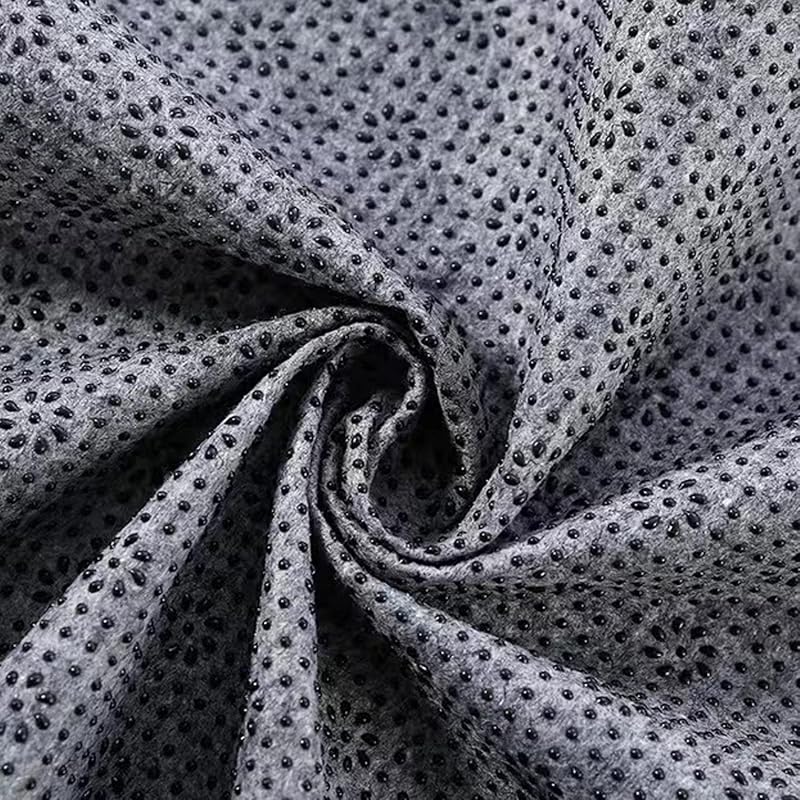 |
Check Price |
| 2. EasyJoy Faux Fur Shaggy Rug | 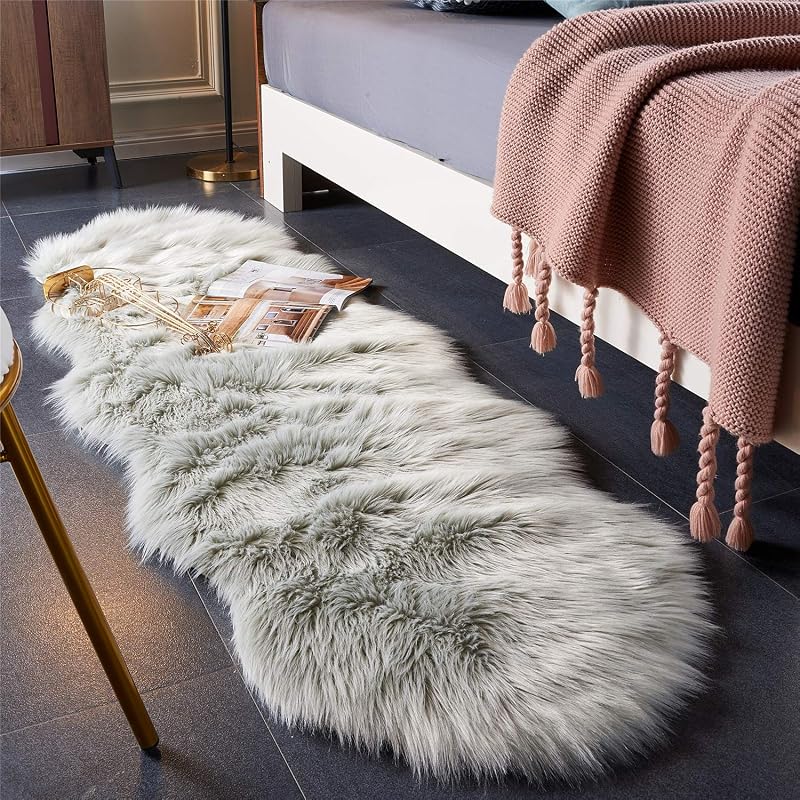 |
Check Price |
| 3. Non-Slip Plum Blossom Tufting Cloth | 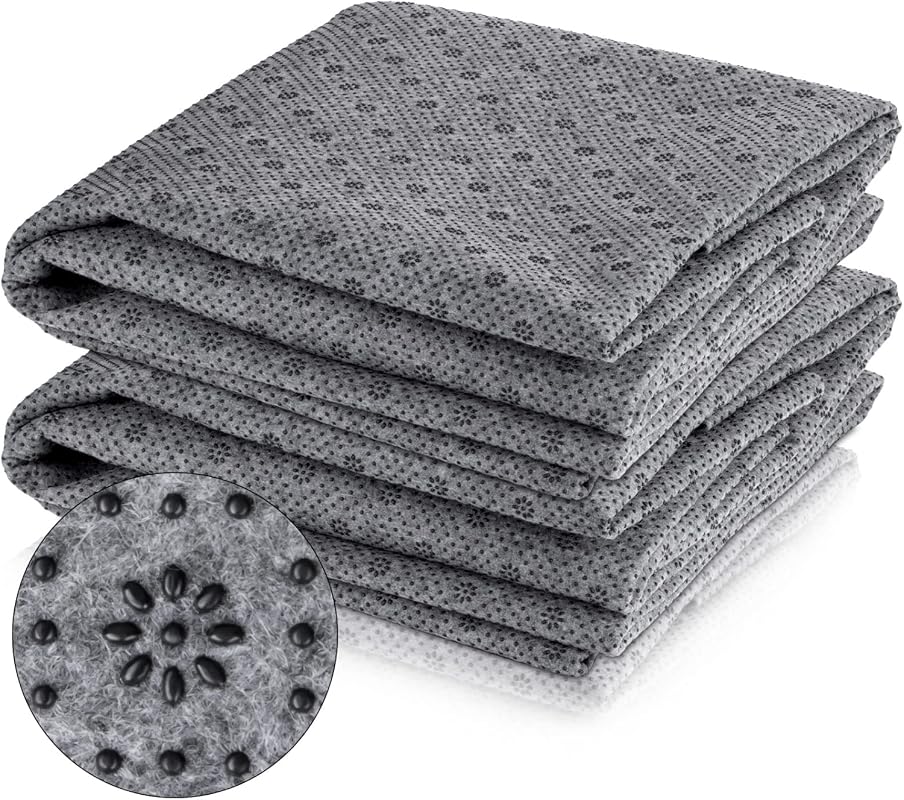 |
Check Price |
Our Top 5 Rug Material For Allergies Reviews – Expert Tested & Recommended
1. Primary Tufting Cloth Backing Fabric
This backing fabric is an excellent choice for custom rug makers who need a reliable, low-shedding foundation. Because it is made of polyester, it is less prone to harboring allergens compared to organic fibers.
Key Features That Stand Out
- ✓ Hypoallergenic polyester construction
- ✓ Non-slip design reduces need for dusty separate pads
- ✓ Easy to clean and maintain for allergy sufferers
Why We Recommend It
We recommend this because it provides a durable base for your DIY projects without trapping dust like natural fiber backings. It is an essential component when you learn what is the best rug material for sensitive households.
Best For
DIY rug makers creating custom, allergen-friendly floor coverings.
Pros:
- Highly durable synthetic material
- Excellent non-slip properties
- Very easy to cut and customize
Cons:
- Requires glue for finishing
- Not a finished rug itself
Customer Reviews
“Customer Review: Perfect for my tufting projects. It keeps the dust down and provides a great, non-slip grip.”
“Customer Review: Sturdy material that doesn’t fray easily. Great for my home workshop.”
2. EasyJoy Faux Fur Shaggy Rug
This faux fur rug is incredibly soft, providing that luxury feel without using real animal hides that often trigger allergies. It’s a great way to add comfort to your space, whether you are following guides on how to choose a rug for bedroom layouts.
Key Features That Stand Out
- ✓ Hypoallergenic faux animal wool
- ✓ Non-slip suede leather lining
- ✓ Extremely soft and plush pile
Why We Recommend It
It balances comfort and safety perfectly. By opting for artificial fibers, you avoid the dander and natural oils found in real sheepskin rugs.
Best For
Bedrooms and living areas where you want a cozy, allergy-friendly accent piece.
Pros:
- Very luxurious texture
- Safe for sensitive skin
- Modern aesthetic
Cons:
- Requires regular shaking
- Not suitable for high-traffic areas
Customer Reviews
“Customer Review: So soft! I’m allergic to wool, so this was a fantastic alternative for my bedroom.”
“Customer Review: Looks expensive and feels great. Easy to keep clean with a simple vacuum.”
Complete Buying Guide for Rug Material For Allergies
Essential Factors We Consider
When searching for the right rug, prioritize synthetic materials like nylon, polyester, or polypropylene. These materials do not provide a food source for dust mites, unlike natural fibers such as wool or jute. Also, consider the pile height; lower pile rugs are generally easier to keep free of trapped allergens.
Budget Planning
You don’t need to overspend to get a healthy home. Many high-quality synthetic rugs offer great value and durability. Focus on products that are easy to clean or machine washable to save money on professional cleaning services in the long run.
Final Thoughts
Reducing allergens in your home starts from the floor up. By choosing the right rug materials and keeping them clean, you can significantly improve your indoor air quality. Don’t forget that a good vacuum with a HEPA filter is your best friend when maintaining any rug material for allergies.
Frequently Asked Questions
Q: Are wool rugs bad for allergies?
A: Wool is a natural fiber that can trap dust, mold spores, and dander more easily than synthetic fibers. For severe allergy sufferers, synthetic alternatives are usually recommended.
Q: How often should I clean my allergy-friendly rug?
A: We recommend vacuuming at least once or twice a week to prevent the buildup of allergens.
Q: Can I use a rug pad with a synthetic rug?
A: Yes, but ensure the pad itself is also hypoallergenic and synthetic to avoid introducing new allergens to your home.
Investing in the right floor coverings is a simple way to breathe easier. Whether you choose a shaggy faux fur or a durable tufted design, make sure you prioritize materials that resist dust and are easy to maintain. Start your journey to a cleaner home by exploring our selection of high-quality, allergy-friendly rugs today!